

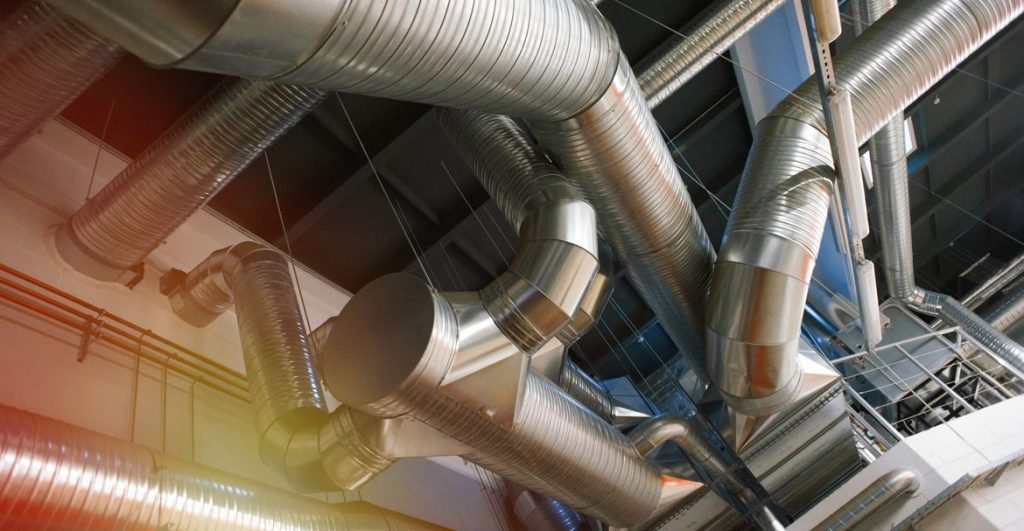
Ductwork is an essential component of HVAC systems, responsible for distributing conditioned air throughout residential, commercial, and industrial buildings. Efficient and accurate ductwork fabrication ensures optimal airflow, energy efficiency, and system longevity. Modern HVAC projects rely on precision-engineered processes to fabricate duct components, minimizing errors, reducing material waste, and ensuring consistent performance. Understanding the key steps involved in ductwork fabrication is essential for contractors, engineers, and building managers seeking reliable and high-quality duct systems.
A well-executed Ductwork Fabrication process integrates advanced machinery, careful planning, and skilled craftsmanship to produce ducts that meet strict specifications. This guide explores the main stages involved in the fabrication of ductwork, from design and material selection to cutting, assembly, and quality control.
Table of Contents
TogglePlanning and Design
The first and most critical step in ductwork fabrication is planning and design. This involves analyzing the building layout, HVAC load requirements, and airflow specifications. Engineers use design software to create detailed drawings, including duct sizes, shapes, lengths, and connection points. Proper planning ensures that the fabricated ducts will integrate seamlessly with the overall HVAC system and meet performance standards.
During this stage, considerations such as material selection, insulation requirements, and noise control are addressed. Effective design minimizes airflow resistance, reduces energy consumption, and ensures balanced temperature distribution throughout the building.
Material Selection
Choosing the right materials for duct fabrication is vital for durability, performance, and efficiency. Common materials include galvanized steel, aluminum, stainless steel, and high-density insulation panels. The material must be compatible with the building’s environmental conditions, such as humidity, temperature fluctuations, and potential exposure to chemicals.
High-quality materials reduce maintenance needs, prevent corrosion, and ensure structural integrity. Selecting appropriate materials during the initial design phase supports the longevity and efficiency of the duct system while providing reliable performance for years to come.
Cutting and Shaping
Once the materials are selected, the cutting and shaping process begins. Accurate cutting is essential for producing duct sections that fit together precisely and meet the design specifications. Modern fabrication facilities often use CNC-controlled machines, shears, or plasma cutters to ensure precision.
Shaping involves forming straight ducts, elbows, transitions, and other custom components. Automated duct fabrication machines provide consistent results, reduce human error, and allow for complex designs to be produced efficiently. Proper cutting and shaping help maintain airflow integrity and reduce the likelihood of gaps or leaks in the system.
Assembly and Seaming
After the individual sections are cut and shaped, the next step is assembly. Duct sections are joined together using various methods, including lock seams, spot welding, screws, or specialized fasteners. Proper seaming ensures that joints are airtight, preventing energy loss and maintaining system efficiency.
During assembly, quality control measures are implemented to check alignment, dimensions, and connection points. Accurate assembly minimizes the need for rework and ensures that ducts can be installed quickly and effectively on-site.
Insulation and Lining
Many HVAC systems require insulated ducts to improve thermal efficiency, reduce energy loss, and minimize condensation. Insulation can be applied externally or incorporated as pre-insulated duct panels, depending on system requirements. Acoustic lining may also be added to reduce noise generated by airflow or mechanical vibrations.
Correct installation of insulation and lining is crucial to maintaining consistent airflow, preventing mold growth, and ensuring occupant comfort. This step enhances both the energy efficiency and the overall performance of the duct system.
Quality Control and Testing
Quality control is a fundamental part of ductwork fabrication. Each duct section is inspected for dimensional accuracy, structural integrity, airtightness, and adherence to design specifications. Testing may include visual inspection, pressure testing, and airflow measurements to ensure the ducts meet performance standards.
Identifying and correcting errors at this stage prevents costly issues during installation and ensures that the HVAC system operates efficiently. A robust quality control process enhances reliability and reduces maintenance requirements over the system’s lifespan.
Packaging and Preparation for Installation
Once fabrication is complete, ducts are carefully packaged and prepared for transportation to the installation site. Proper handling prevents damage during transit and ensures that components arrive in optimal condition. Labeling, documentation, and organization of sections help streamline on-site installation and reduce assembly time.
Installation and Final Adjustments
Although installation is technically a separate process, fabrication teams often collaborate with installation crews to ensure that ducts are properly fitted, sealed, and supported. Any minor adjustments needed to accommodate building conditions are easier to make when ductwork is accurately fabricated.
Conclusion
Ductwork fabrication is a precise and multi-step process that combines careful planning, material selection, cutting, shaping, assembly, insulation, and quality control. Each stage is critical to producing high-performance ducts that support energy efficiency, consistent airflow, and long-term durability in HVAC systems.
By understanding and following the key steps involved in ductwork fabrication, contractors and engineers can ensure that HVAC systems meet design requirements, operate efficiently, and provide reliable performance for years. Efficient fabrication not only reduces installation challenges but also contributes to overall system sustainability and occupant comfort.





More Stories
Instagram PVA Accounts: Complete Professional Guide for Safe Scaling, Marketing Performance, and Account Trust Building
A Detailed Look at the Top 10 Excavator Manufacturers in China
The Importance of Choosing the Right Mini Excavator Manufacturer