

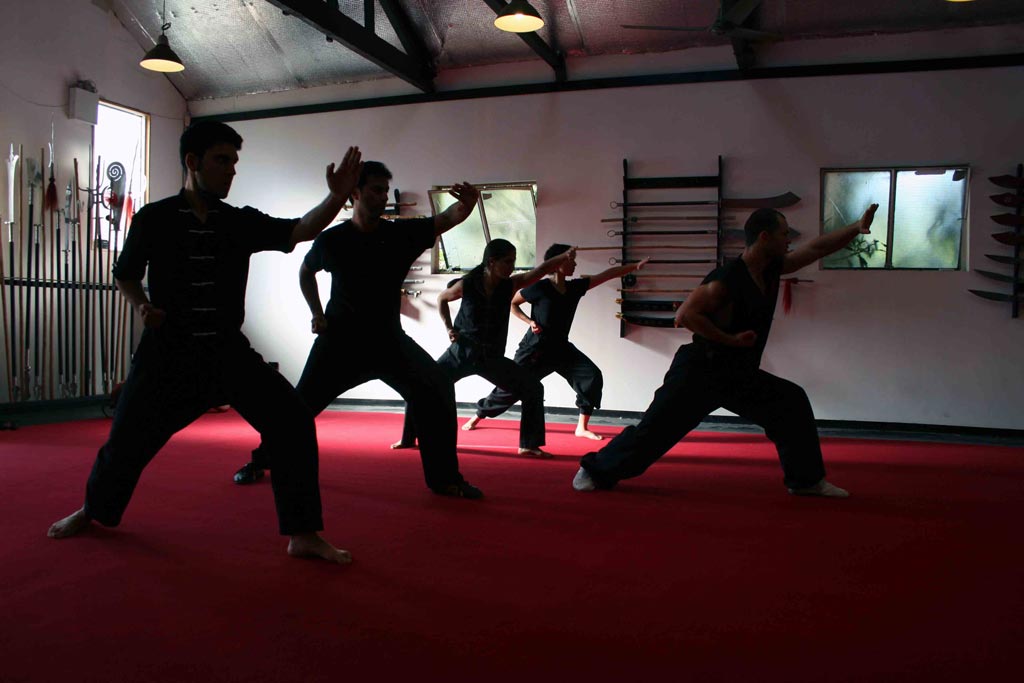
Adolescence is a transformative stage of life, filled with physical growth, emotional changes, and the development of personal identity. For teenagers, finding activities that provide structure, focus, and healthy outlets for energy can be a challenge. Martial arts, particularly Kung Fu, offer a unique combination of physical exercise, mental discipline, and life skills that are especially beneficial during these formative years.
Engaging in kung fu for teens provides young individuals with structured training that enhances physical fitness, builds self-confidence, and promotes resilience. Unlike many sports that focus solely on competition, Kung Fu teaches discipline, respect, and the importance of consistent practice—qualities that extend beyond the training hall and into daily life.
The Physical Benefits of Kung Fu for Teens
Teenagers experience rapid growth and high energy levels, making physical activity crucial for overall health. Kung Fu offers a dynamic form of exercise that targets multiple areas of fitness.
Strength and Conditioning
Kung Fu requires the use of nearly every muscle group, from core strength for stability to upper body strength for strikes and defensive movements. Regular practice enhances muscle tone, endurance, and overall physical strength, supporting healthy growth during adolescence.
Flexibility and Coordination
Training in Kung Fu involves stretching, precise movements, and complex sequences, all of which improve flexibility and body coordination. For teens, developing these skills early helps prevent injuries in other physical activities and encourages better posture and body awareness.
Cardiovascular Health
Many Kung Fu routines involve fast-paced drills, kicks, and combinations that elevate heart rate and improve cardiovascular endurance. This form of exercise not only supports physical health but also helps release pent-up energy in a structured manner.
Mental and Emotional Development
Beyond physical benefits, Kung Fu plays a crucial role in shaping mental resilience and emotional intelligence in teens.
Focus and Concentration
Learning intricate forms and techniques requires attention to detail, memory, and focus. Teenagers practicing Kung Fu develop the ability to concentrate for extended periods, a skill that translates into improved academic performance and problem-solving abilities.
Discipline and Responsibility
Kung Fu training emphasizes respect for instructors, peers, and oneself. Teens learn the importance of consistent practice, following rules, and taking responsibility for their own progress. This sense of discipline encourages better time management and self-regulation in other areas of life.
Stress Management
Adolescence often comes with emotional turbulence and stress from school, social pressures, and personal expectations. Kung Fu provides a constructive outlet for stress, allowing teens to channel emotions through controlled physical activity and mindful movements.
Confidence and Self-Esteem
As teens master new techniques and overcome challenges in their training, they gain a sense of accomplishment. Progression in Kung Fu builds self-confidence, encouraging teens to trust their abilities and develop a positive self-image.
Social and Interpersonal Benefits
Kung Fu also offers valuable opportunities for teens to develop social skills and build supportive relationships.
Teamwork and Camaraderie
While Kung Fu emphasizes personal growth, many training sessions include partner drills and group activities. Teens learn to work cooperatively, support peers, and celebrate each other’s successes, fostering a sense of community and belonging.
Respect and Empathy
Through structured etiquette and mentoring relationships with instructors, teens develop respect for authority, peers, and diverse perspectives. They learn to appreciate effort and commitment in themselves and others, cultivating empathy and emotional intelligence.
Communication Skills
Participating in group training and performing in demonstrations encourages teens to communicate clearly and effectively. These experiences enhance public speaking, confidence in expressing ideas, and the ability to work collaboratively.
Self-Defense and Safety Awareness
Another important aspect of Kung Fu for teens is the development of practical self-defense skills. Teens gain the ability to protect themselves confidently while learning the importance of restraint and avoiding unnecessary conflict.
Training emphasizes situational awareness, de-escalation techniques, and proper application of defensive movements. This knowledge helps teens feel safer, increases their awareness of surroundings, and reinforces personal boundaries.
Choosing the Right Program for Teens
Selecting an appropriate Kung Fu program is essential to maximize benefits. Parents and guardians should consider:
-
Experienced instructors trained in working with adolescents
-
Age-appropriate curriculum that balances physical, mental, and social development
-
A supportive and encouraging learning environment
-
Programs that focus on progression, goal-setting, and personal growth
A well-structured program provides consistent challenges while keeping teens engaged and motivated. It ensures that they develop skills safely and enjoyably, with long-term growth in mind.
Integrating Kung Fu into Daily Life
The lessons learned through Kung Fu extend far beyond the training hall. Teens who practice regularly often exhibit improved self-discipline, time management, and emotional regulation in their daily lives. The confidence, resilience, and focus cultivated through training help them navigate academic challenges, social interactions, and personal goals.
Final Thoughts
Kung Fu for teens is more than a martial art; it is a holistic approach to growth that strengthens the body, sharpens the mind, and nurtures the spirit. By participating in structured training, teenagers develop physical fitness, emotional resilience, social skills, and self-confidence—qualities that serve them throughout life.
Engaging in Kung Fu equips teens with the tools to face challenges, manage stress, and interact positively with others. With the right guidance and a supportive environment, this ancient martial art provides young individuals with a foundation for lifelong health, discipline, and personal empowerment.
About Post Author





More Stories
Everything You Need To Know About Penalty Shootouts, Including, Just Maybe, How To Win