

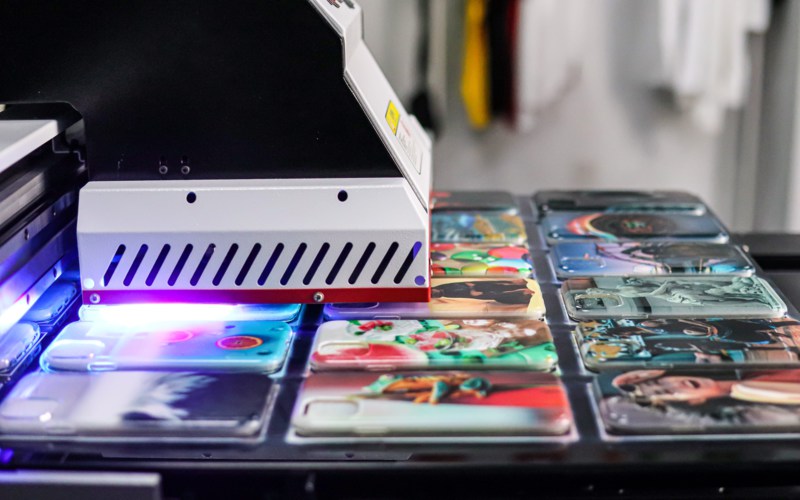
Regulatory requirements continue to evolve across industries, placing greater emphasis on clear identification, precise marking, and long-term traceability. Manufacturers must ensure that every product meets established standards before it reaches the market. In this environment, UV laser printing technology has become a dependable choice for organizations that need consistent, compliant markings on a wide range of materials. This article explores how these systems help businesses stay aligned with strict regulatory expectations.
Increasing Demand for Accurate and Permanent Markings
Industries such as pharmaceuticals, electronics, food production, and automotive manufacturing routinely face audits and inspections. These sectors demand markings that cannot fade, smudge, or be easily removed. Batch numbers, expiry dates, serial codes, and safety symbols must remain legible throughout the product’s lifecycle.
Traditional ink-based methods may not always meet this requirement, especially when exposed to solvents, abrasion, or UV light. As regulations strengthen, businesses recognize the importance of investing in technology that ensures durability and clarity.
Why UV Laser Technology Enhances Compliance
One of the reasons companies turn to advanced marking systems is the need for precision and consistency. Equipment such as a uv laser printer is engineered to deliver clean, high-contrast results without using consumables. The non-contact marking process reduces contamination risks and allows the machine to operate in high-sensitivity environments where hygiene or material integrity is critical.
In addition, UV lasers work exceptionally well with challenging substrates. They can mark plastics, glass, coated surfaces, and delicate components without causing heat damage. This capability is vital for industries that must demonstrate product authenticity and traceability during regulatory assessments.
Compliance Through Material Compatibility
Different products require specific labeling rules depending on the industry. For example, medical device regulations often require permanent IDs on surgical tools, implants, and packaging. Food and beverage companies must verify that their labels are resistant to handling, moisture, and temperature changes.
UV laser printing helps businesses meet these expectations by adapting to diverse materials. Because the system photochemically reacts with the surface rather than burning it, it produces crisp marks suitable for items that demand high accuracy. This material versatility ensures compliance with rules that specify label durability under various storage or usage conditions.
Supporting Traceability and Audits
Many regulatory frameworks now emphasize full supply-chain traceability. Organizations must be able to track each product from origin to end-user. The quality of the marking plays a significant role in meeting these requirements, especially when automated scanning systems are used.
UV laser printers create markings that are compatible with high-speed inspection lines. Codes remain readable even after extended exposure to harsh environments. For industries that operate under strict documentation controls, this reliability reduces compliance risks and simplifies audit preparation.
Reducing Errors with Automated Marking
Human error is one of the most common factors contributing to labeling non-compliance. Manual printing or labeling processes can lead to misprints, incorrect data, or misplaced codes. Automated UV laser marking systems significantly minimize these issues.
By integrating with existing production software, these printers can pull real-time data for each item. This ensures that every product receives accurate and up-to-date information, helping companies meet labeling standards without inconsistencies.
Meeting Environmental Regulations
Environmental compliance is another increasingly important factor. Some regions restrict the use of inks, chemicals, or solvents that may pose ecological risks. UV laser technology eliminates consumables, reduces waste, and lowers the environmental footprint of production lines.
This advantage not only supports sustainability goals but also ensures alignment with regulatory restrictions surrounding hazardous materials. Businesses benefit from a cleaner process and fewer disposal-related obligations.
Ensuring Long-Term Regulatory Alignment
As regulations evolve, the need for flexible marking solutions increases. UV laser printers can be updated with new software, adjusted for various coding formats, and adapted to emerging compliance requirements without changing core hardware.
This adaptability ensures that companies remain prepared for future changes. Instead of frequent equipment replacements, businesses can modify their existing systems to meet new global standards.
Conclusion
Regulatory compliance depends heavily on accurate, permanent, and traceable product identification. UV laser printers offer a powerful combination of precision, consistency, and adaptability, making them an asset for industries subject to strict oversight. By supporting durable markings, reducing errors, enabling traceability, and meeting environmental guidelines, they help businesses maintain a strong compliance foundation across their entire production process.
About Post Author





More Stories
Instagram PVA Accounts: Complete Professional Guide for Safe Scaling, Marketing Performance, and Account Trust Building
A Detailed Look at the Top 10 Excavator Manufacturers in China
The Importance of Choosing the Right Mini Excavator Manufacturer